
Food Safety Temperature Rules for Restaurants
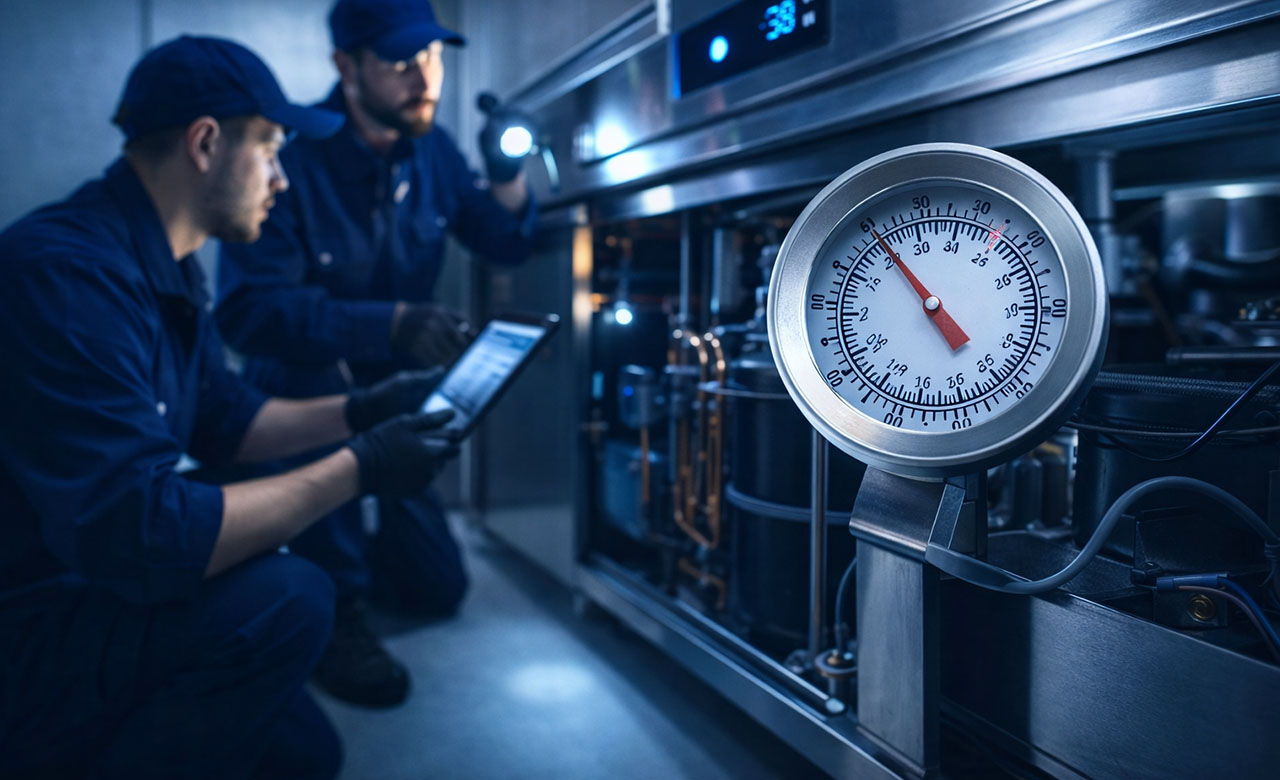
Strap yourself in, because we’re about to dive into the nitty-gritty of food safety temperatures and how you can ensure your establishment remains squeaky clean and gets an A+ in food safety!
Understanding the Heat: The Importance of Temperature Control
In the culinary world, heat isn’t just about creating the perfect sear on a steak or achieving the ideal caramelization, it’s your frontline defender against foodborne illnesses. When food isn’t stored, cooked, or held at the right temperature, it can become a breeding ground for bacteria like Salmonella and E. coli, the usual culprits behind those unpleasant bouts of food poisoning.
But let’s not dance around the hot kitchen floor. Why are these temperature rules the superheroes in our restaurant saga? Because they help you:
- Prevent Bacterial Growth: Bacteria multiply between 40°F to 140°F, a range chefs ominously refer to as the “Danger Zone.” Keeping food out of this zone slows bacterial growth, keeping your dishes safe and delicious.
- Ensure Food Quality and Freshness: Proper temperature control preserves the texture and taste of your ingredients, ensuring your masterpieces taste as intended.
- Comply with Regulations: Adhering to these standards ensures you tick the health inspector’s checklist and stay in business.
The Chill Factor: Refrigeration Rules
Your walk-in refrigerator isn’t just cold storage space, it’s a fortress against spoilage. But like any fortress, it requires the proper guards and maintenance to keep intruders (bacteria) at bay. So what should you keep in mind?
- Standard Temperature Guidelines: Keep your refrigerator temperature at or below 40°F. This simple act ensures your perishables are safe from unwelcome microbial squatters.
- Organization is Key: Store raw meats, poultry, and seafood on the bottom shelves to prevent their juices from contaminating other foods. Use labeled containers to avoid confusion and promote organization.
- Frequent Temperature Checks: Don’t wait until things go south. Regularly check your fridge’s temperature, ensuring it’s consistent and functioning correctly.
Heating Up: Cooking Temperatures for Common Foods
Turning up the heat isn’t just the job of a fiery chili pepper, it’s a science. Every type of food has an ideal internal cooking temperature that ensures it’s safe to eat:
- Poultry: Cook to an internal temperature of 165°F. It’s not just about getting a “thumbs up” from the health inspector, but about your guests enjoying a beautifully cooked dish without a side of bacteria.
- Ground Meats: Beef, pork, veal, and lamb should hit 160°F. No one wants a burger with a side of regret!
- Seafood: Fish should be cooked to 145°F. It should be opaque and separate easily with a fork, think of it as the comfort zone of a perfectly cooked filet.
- Steaks and Roasts: Aim for 145°F, followed by at least a 3-minute rest. A little patience can turn a good steak into a great one.
On Standby: Holding and Serving Temperatures
Picture this: you’ve cooked the steak to perfection and nailed every side dish. But before you triumphantly present your pièce de résistance, remember that holding and serving temperatures can make or break all that hard work:
- Hot Foods: Maintain a temperature of 140°F or higher. This ensures your flavorful creations stay safe and satisfying until they hit the table.
- Cold Foods: Keep these at 40°F or below, preserving both safety and freshness.
- Buffets and Self-Serve Stations: Regularly swap out food trays for fresh batches to maintain temperature and hygiene.
Staying Ahead of the Curve: Training and Technology
Feeling a little overwhelmed? Fret not, modern solutions and solid training can make these processes as easy as pie.
- Staff Training: Regular training sessions and refreshers ensure your staff is always up-to-date with safety protocols. Knowledge is power, and in the restaurant business, it can be the difference between a safe dining experience and a health scare.
- Technological Assistance: From smart refrigerators to temperature probes and logging systems, technology can provide an extra layer of security, making compliance all the more reachable.
Cooling Down: The Benefits of Compliance
Implementing these food safety temperature rules isn’t just about compliance, it’s about cultivating trust, trust from an inspector’s nod, but more importantly, trust from your clientele who return for the peace of mind along with excellent cuisine.
When patrons know their favorite eatery prioritizes food safety, it becomes more than just a place to eat, it becomes a reliable part of their dining routine. So, keep the temperature checks consistent, the training frequent, and the technology modern, and watch trust transform into loyalty.
Let’s wrap this up like a cozy blanket around a chilled plate of food. Mastering the art of food safety temperature rules isn’t just a duty, it’s a responsibility. It’s the foundation of culinary perfection where every ingredient is treated with respect, ensuring each dish narrates a story of care, safety, and absolute deliciousness.
In the kitchen, the devil’s in the details, but you have the roadmap to ensure your establishment remains a beacon of excellence. Let food safety temperature rules be the secret ingredient that elevates your restaurant beyond every expectation.
Don’t wait! connect with us today for expert help and advice!
 Phone: 07925535556 – 02080907132
 Email: info@darepair.co.uk
 Book Online: Visit our website

FAQs
1. What is the “Danger Zone” and Why is it Important?
The “Danger Zone,” between 40°F and 140°F, is the temperature range where bacteria rapidly multiply. Keeping food out of this range minimizes the risk of foodborne illnesses.
2. How Often Should I Check Refrigerator and Freezer Temperatures?
It’s best to check temperatures daily to ensure consistent and safe storage conditions, preventing spoilage and ensuring compliance.
3. Can I Use Technology to Help with Food Safety Compliance?
Absolutely! Modern solutions like smart thermometers and automated loggers simplify temperature monitoring, enhancing efficiency and accuracy.
4. What Are the Consequences of Non-Compliance with Food Safety Rules?
Non-compliance can lead to foodborne illnesses, fines, and reputational damage that might be hard to recover from, not to mention potential business closures.
5. How Important is Staff Training in Maintaining Food Safety?
Critical! Regular training ensures that all staff members understand and adhere to safety protocols, playing a crucial role in preventing contamination and ensuring customer safety.
Related Posts
Cold Room Drain Line Blockage: Causes and Fixes
Cold Room Drain Line Blockage: When your cold room starts misbehaving and fails to maintain that crisp, chilly environment, one…
What Happens If a Cold Room Loses Power Overnight?
Cold Room Loses Power Overnight, For businesses that rely heavily on refrigeration, such as restaurants, supermarkets, or cafes, maintaining the right…
How Long Do Commercial Refrigerators Last?
When it comes to running a thriving business, especially in the hospitality or retail sector, the longevity and efficiency of…
Leave a Reply