
How Much Electricity Does a Cold Room Use?
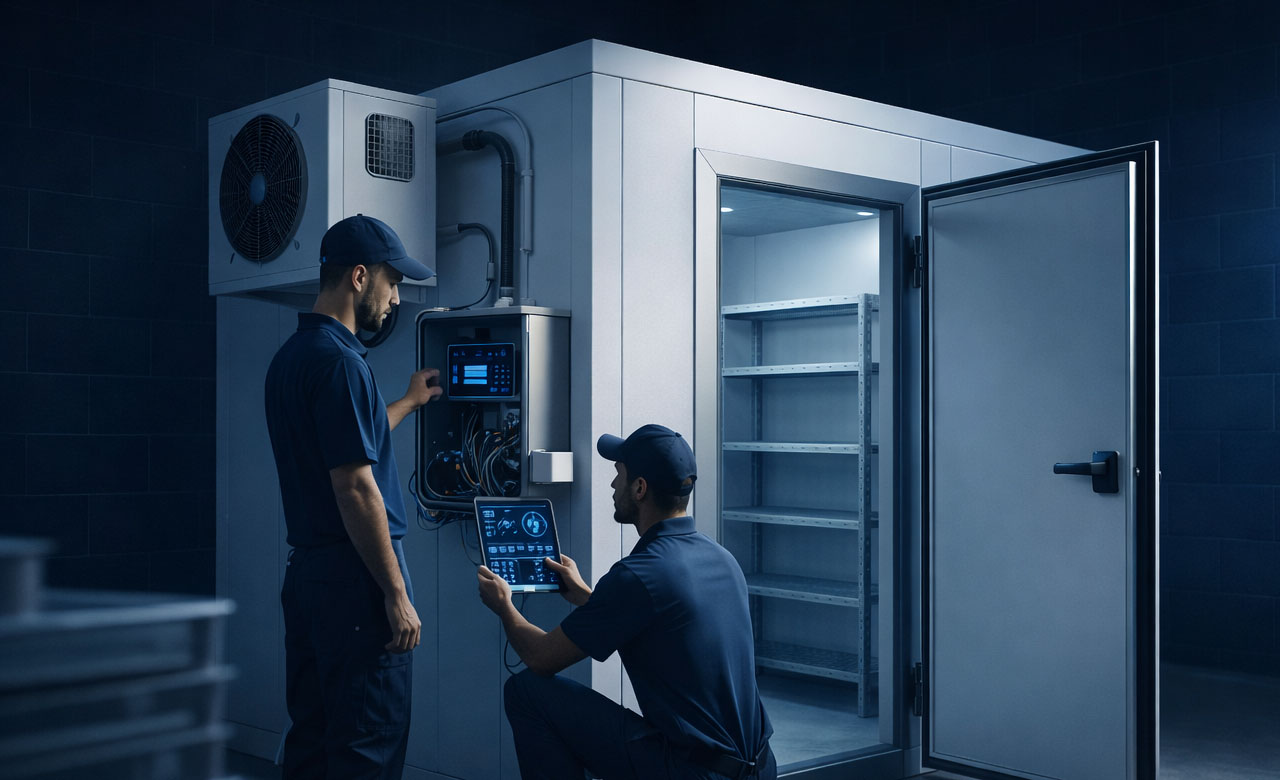
In the competitive world of food service and retail, a cold room is not just a luxury, it’s a necessity. These walk-in refrigerators or freezers are integral to preserving the quality and safety of perishables. But with this essential equipment comes a burning question: How much electricity does a cold room use? Understanding the energy consumption can help businesses manage costs more effectively. Let’s unpack what influences the electricity usage of a cold room and how you can optimize it.
Understanding Energy Consumption in Refrigeration
Cold rooms, also known as walk-in refrigerators, operate around the clock to maintain a consistent temperature, ensuring your products stay fresh and safe. This constant operation means they can be significant contributors to your electricity bill. To gauge how much energy a cold room consumes, consider these factors:
- Size of the Cold Room: Naturally, the larger the cold room, the more energy it will require to maintain the desired temperature. A small cold room might be comparable to a couple of large residential fridges, while a bigger facility could draw as much power as several dozen fridges.
- Temperature Settings: The lower the temperature setting, the harder the refrigeration system has to work, which means more electricity is consumed. A freezer will thus require more energy than a fridge, given the same size and usage patterns.
- Insulation Quality: Efficient insulation minimizes the loss of cold air, which in turn reduces the amount of energy needed to maintain the set temperature. Poor insulation can drastically increase energy consumption.
- Frequency of Use: How often the door is opened and closed will affect the room’s energy usage. Each opening allows warm air inside, necessitating more work from the motor to cool it down again.
- Equipment Age and Efficiency: Newer models tend to be more energy-efficient than older ones. With advancements in technology, modern cold rooms can operate much more efficiently, resulting in lower electricity costs.
Estimating the Electricity Usage of a Cold Room
To estimate the electricity consumption, you need to know the power rating of the unit, usually given in kilowatts (kW). You then multiply this by the hours the unit runs to get a rough idea of its daily electricity use. For example, a cold room operating at a power of 2 kW running 24 hours a day would approximately consume 48 kWh on a daily basis.
Optimizing Cold Room Energy Efficiency
It’s not enough to just know how much electricity a cold room uses. By implementing certain strategies, you can lower energy consumption, which translates to cost savings and a reduced environmental impact.
Regular Maintenance and Repairs
Routine maintenance keeps your cold room running efficiently. Make sure to fix any leaks, seal cracks, and ensure that the door seals perfectly. If your cold room is due for a repair or checkup, don’t hesitate to get in touch with specialists like D&A Repair, who offer unparalleled refrigeration and freezer repair services. Our professional and reliable service will ensure your system is operating at peak efficiency, saving you substantial costs in the long run.
Upgrade to Energy-Efficient Models
If your cold room is outdated, it might be time to consider an upgrade. Modern units incorporate energy-saving technologies that make them far more efficient than their predecessors. In the long run, investing in an energy-efficient model can result in significant savings on your electricity bill.
Utilize SMART Controls
SMART technology in refrigeration allows for remote monitoring and control, helping you manage energy usage more effectively. By adjusting settings based on real-time data, you can ensure the cold room operates within optimal parameters, reducing unnecessary energy expenditure.
Strategic Placement of Stock
How you load your cold room can impact its efficiency. Avoid blocking airflow by carefully arranging stock, ensuring that air can circulate freely around all items. This practice minimizes the workload on your refrigeration unit.
Conduct Regular Energy Audits
Regular energy audits help you understand how and where you can cut down energy consumption. Audits identify inefficiencies and areas of improvement, enabling you to take proactive steps towards reducing your energy footprint.
Understanding how much electricity a cold room uses and the factors influencing this consumption can be a game-changer for businesses. By focusing on efficiency, regular maintenance, and strategic upgrades, you can minimize energy costs while optimizing your cold storage solutions. At D&A Repair, we provide expert advice and repair services to help you achieve these goals. Contact us today to learn more about how we can assist in keeping your operations running smoothly.
 Phone: 07925535556 – 02080907132
 Email: in**@*********co.uk
 Book Online: Visit our website

FAQs
1. What affects a cold room’s energy consumption the most?
Factors such as the size of the cold room, temperature settings, insulation quality, frequency of use, and equipment efficiency are all critical in determining how much electricity a cold room uses.
2. How can I reduce the electricity consumption of my cold room?
Reduce energy usage by upgrading to energy-efficient models, maintaining optimal insulation, ensuring regular maintenance, using SMART technology, and conducting energy audits.
3. Do older cold rooms use more electricity than newer ones?
Yes, typically older models are less efficient than modern, energy-efficient designs. Upgrading can lead to lower electricity bills.
4. Is it worth investing in SMART controls for my cold room?
SMART controls can optimize the performance of your cold room by allowing you to adjust settings based on real-time data, leading to enhanced efficiency and cost savings.
5. Why is regular maintenance important for a cold room?
Regular maintenance ensures your cold room operates at peak efficiency by fixing leaks, adjusting settings, and repairing any worn parts, thereby saving energy and reducing costs.
Related Posts

Preparing Your Air Conditioning & Refrigeration Systems for the Seasonal Change
Is your air conditioning system ready to combat the dog days of summer? Or maybe your refrigeration units are facing…

Why Your Cold Room Is Icing Up?
Maintaining a cold room in optimal condition is crucial, especially for businesses that rely on refrigeration to keep their products…
Remote vs Integral Refrigeration Systems
When it comes to keeping things cool in your business, be it a bustling restaurant in the heart of London,…
Leave a Reply